"We had an amazing day! Kerry was very knowledgable and a great tour guide! Thank you for such a memorable day. Thanks!"
From Kona and Kohala hotels · full day · volcano park, waterfalls and Kona coffee · from about $276
The Big Island: Kīlauea, Maunakea and Who It Suits
Wasabi Tours Hawaii circles the island in a day: the Waipiʻo lookout and two waterfalls, then Hawaiʻi Volcanoes National Park and a Kona coffee farm. Kīlauea has not fountained since 25 August 2026 and nobody can forecast when it will, so book it for the park, not for lava.
From
$276
per person
Free cancellation
- 4.9 / 5 492 reviews
- 4,028 sq mi Larger Than the Other Islands Combined
- 19 hotels Pickup on the Kona and Kohala Coasts
- Free Cancellation
The Experience
What the Volcano Day Includes
The Big Island's active craters are between episodes: Kīlauea has not fountained since 25 August 2026.
Highlights
- Tour Hawaii’s biggest island highlighting its natural wonders. Experience the diverse range of ecosystems and climate zones of the island
- Walk through an ancient lava tube and take a tour of a historical Kona Coffee Farm
- Explore active craters, steam vents, crater rim trail, and scenic lookouts of Hawaii Volcanoes National Park
What's Included
- Lunch and drinks
- Snacks
- Park admissions
- Jackets
Good to know: Age 5 and above is required to join this tour. Please wear comfortable closed-toe shoes · Please allow up to 15 minutes after your scheduled time for pickup · If you are staying on the Island of Oahu, please book your flight to arrive at Kona Airport by 7:20 am and depart after 8:45 pm. The tour company can pick up and drop off at Kona Airport. · Itineraries may change, and refunds will not be given for closures and itinerary changes out of the tour company's control. Tours run rain or shine. · Not suitable for: Children under 5 years, People with mobility impairments, Cruise ship guests, People with low level of fitness, Hearing-impaired people · Not Included: Gratuities
How the Volcano Day Works
Four steps, from hotel pickup to the coffee farm on the way home.
Pickup on the Kona or Kohala Coast
The van collects you from one of 19 listed hotels on the Kona and Kohala coasts; allow up to 15 minutes after your pickup time. Wear closed-toe shoes; jackets are provided. Staying on Oʻahu? You need to land at Kona by 7:20 a.m. and fly out after 8:45 p.m., and picks up at Kona Airport.
Waterfalls and the Waipiʻo Lookout
The morning goes to the Waipiʻo Valley lookout (the road into the valley is closed to visitors), ʻAkaka Falls and Rainbow Falls. Part of the ʻAkaka Falls trail was closed by fallen trees as of 5 October 2026.
About 1.5 Hours in the Volcano Park
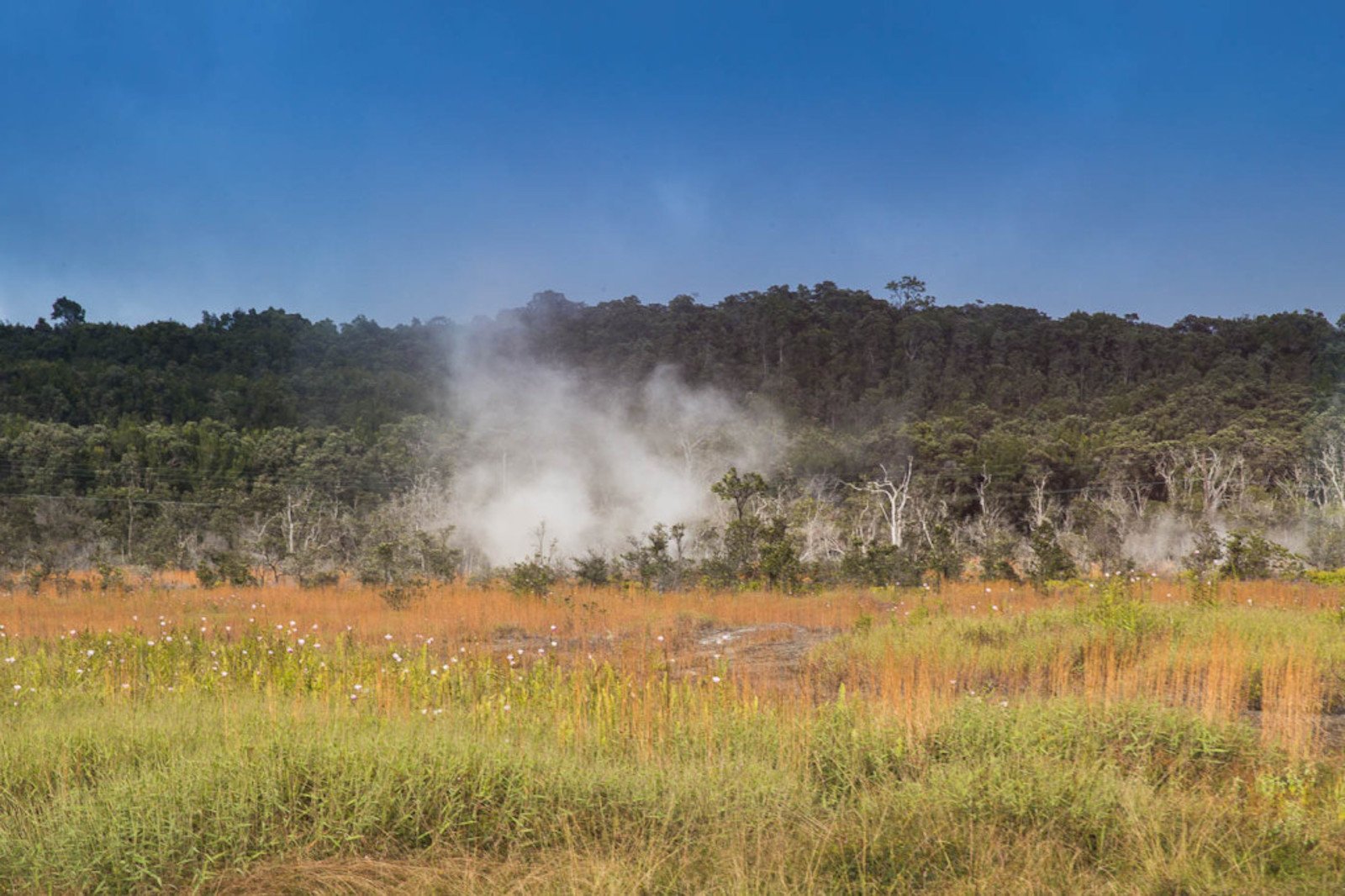
In the afternoon: the steam vents, the Halemaʻumaʻu and Kīlauea Iki crater lookouts and a short walk on the crater rim trail. Kīlauea has not fountained since 25 August 2026, so expect the caldera and the steam vents rather than lava.
Punaluʻu, South Point and Kona Coffee
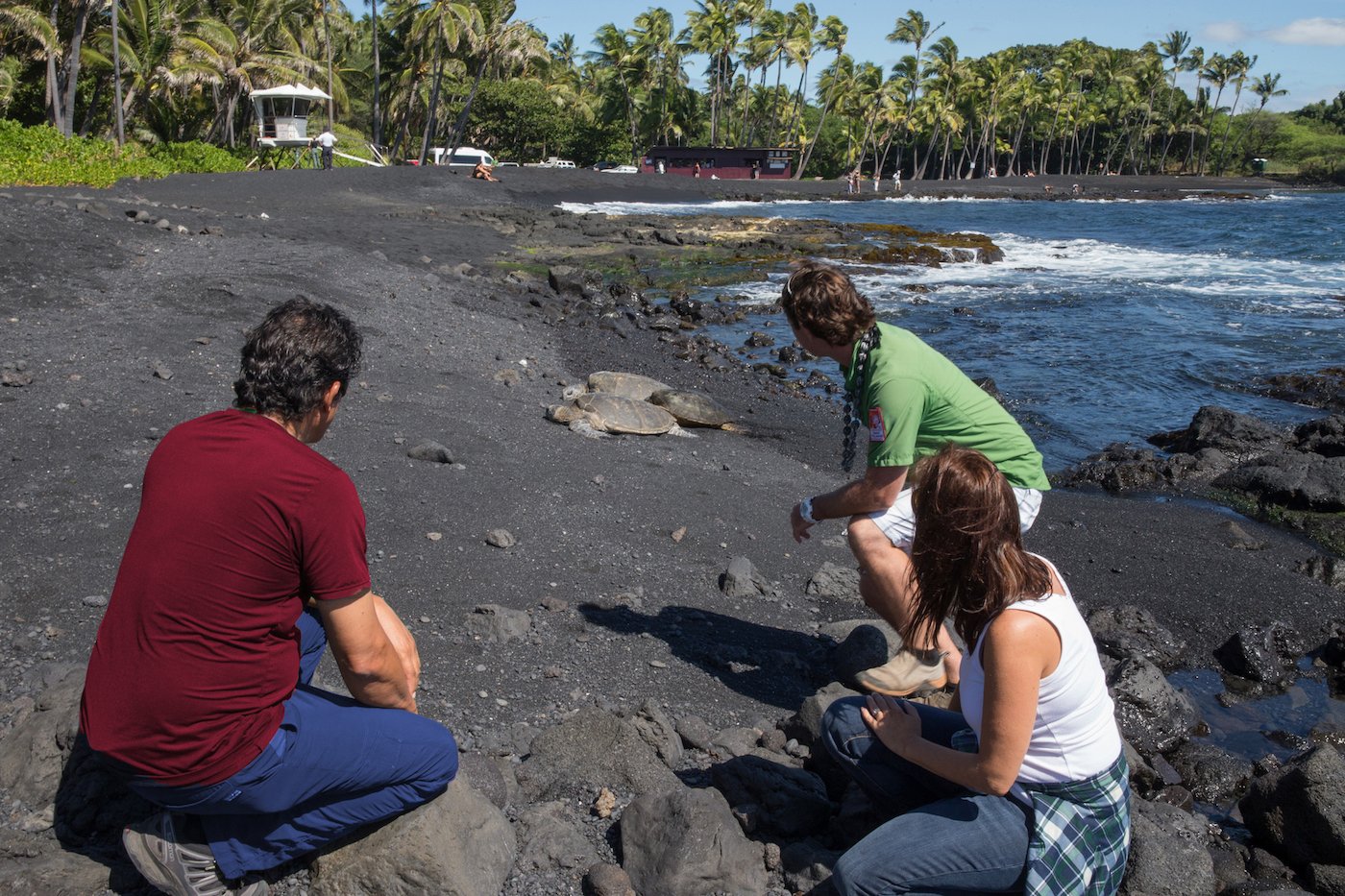
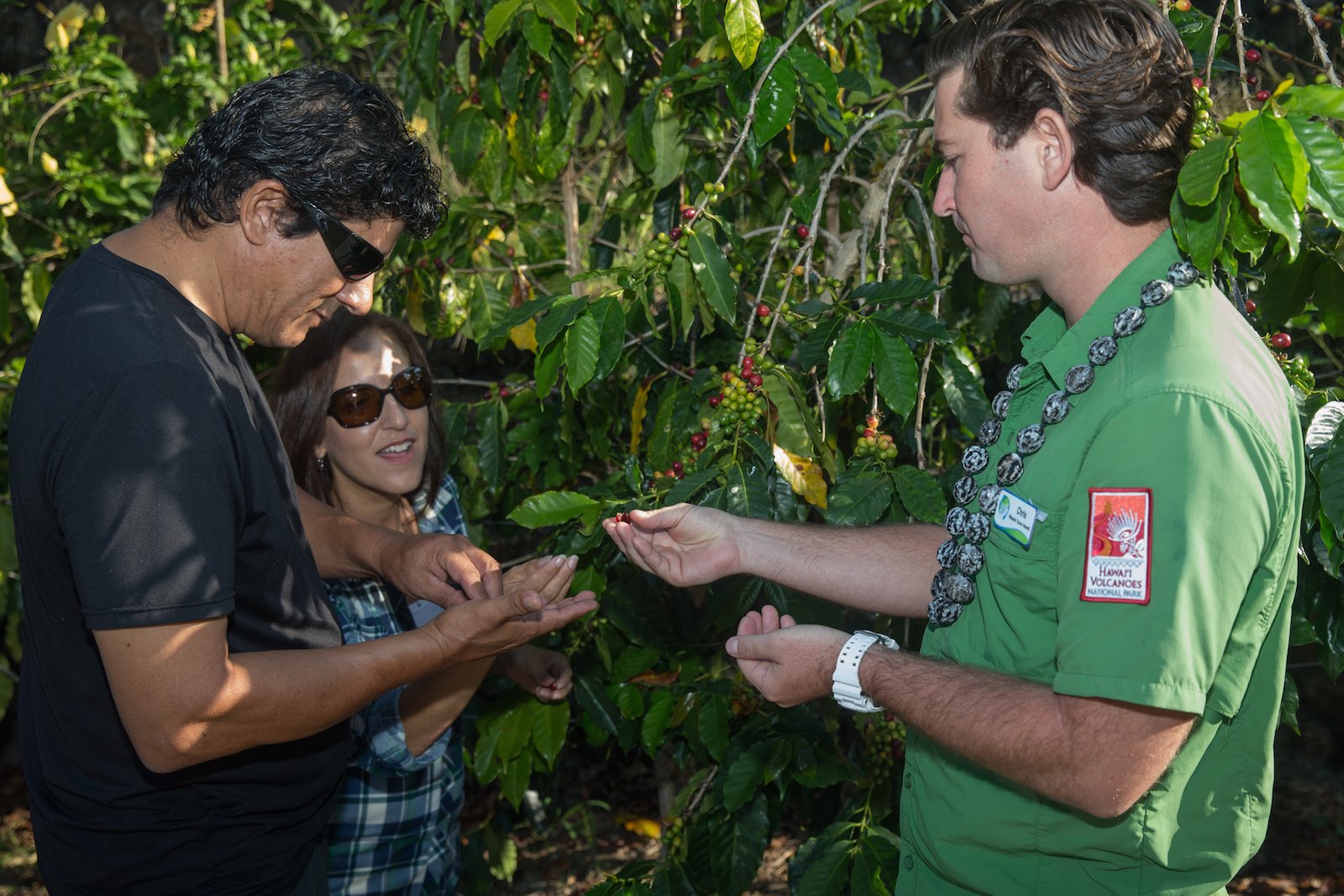
Lunch at Punaluʻu's black-sand beach, where the County's lease ended on 29 August, then the drive back past South Point and Kealakekua Bay to a coffee tasting at a Kona farm. The tour runs rain or shine, and itineraries can change without refunds.
Photo Gallery
The Volcano Day in Pictures
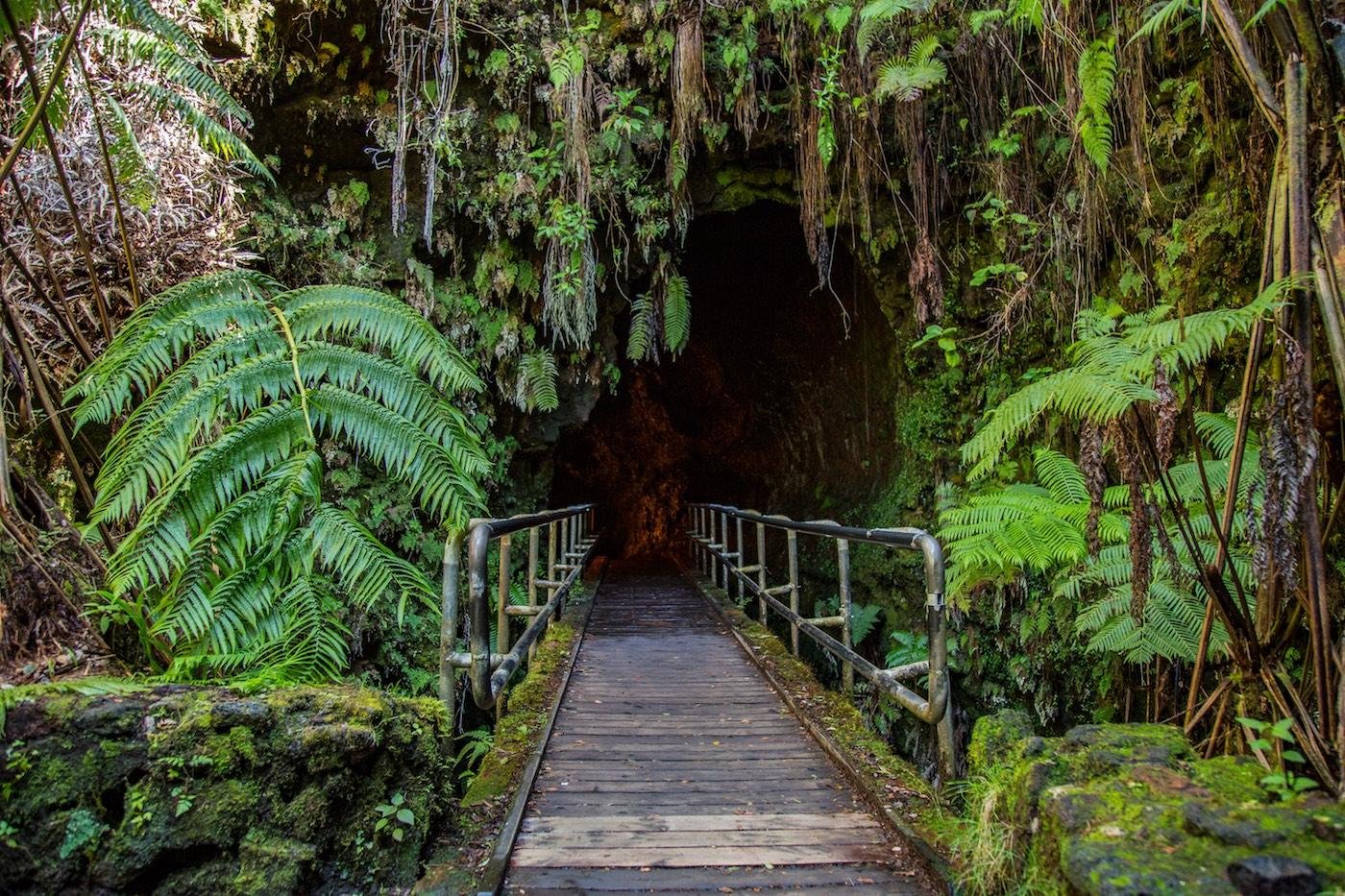
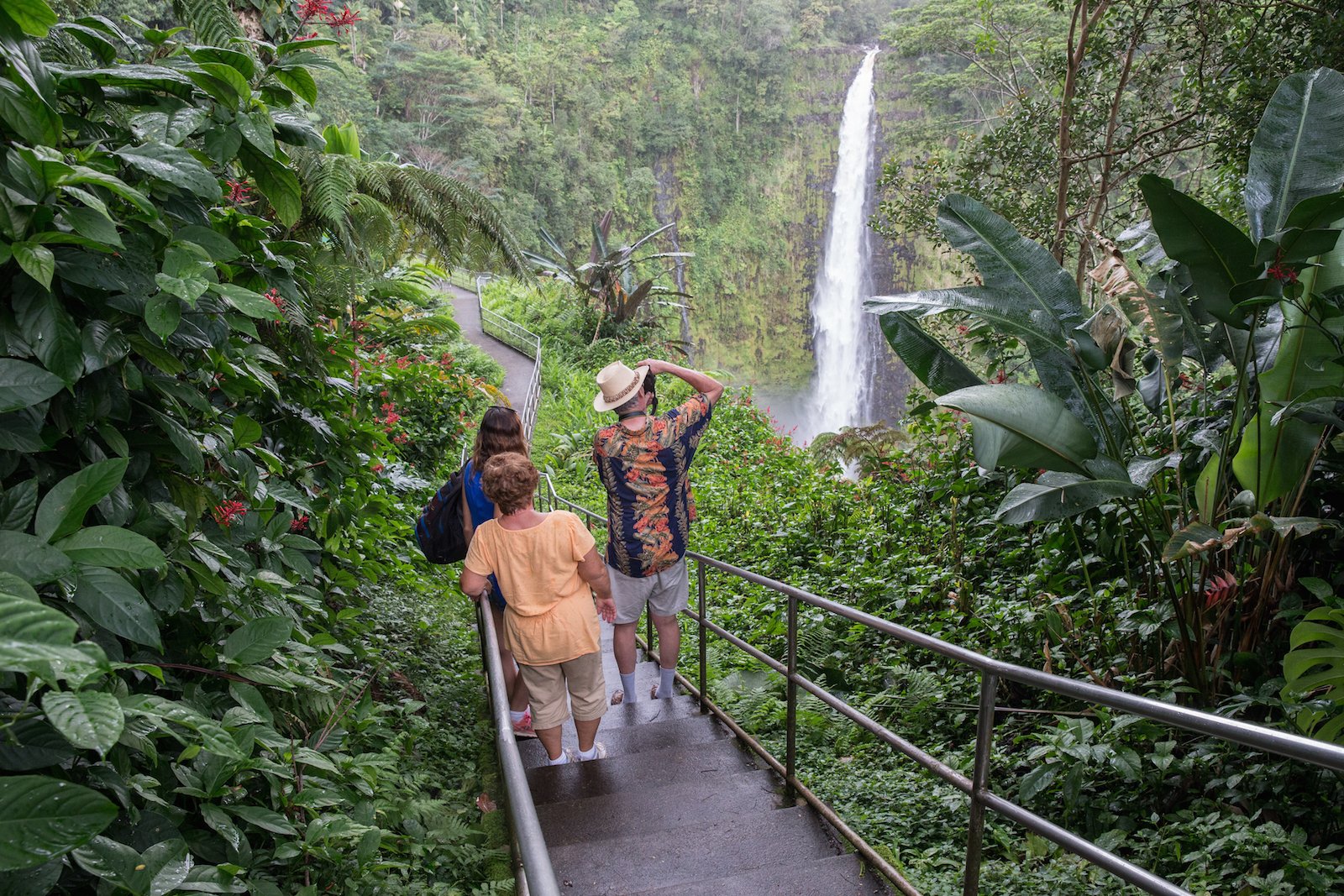
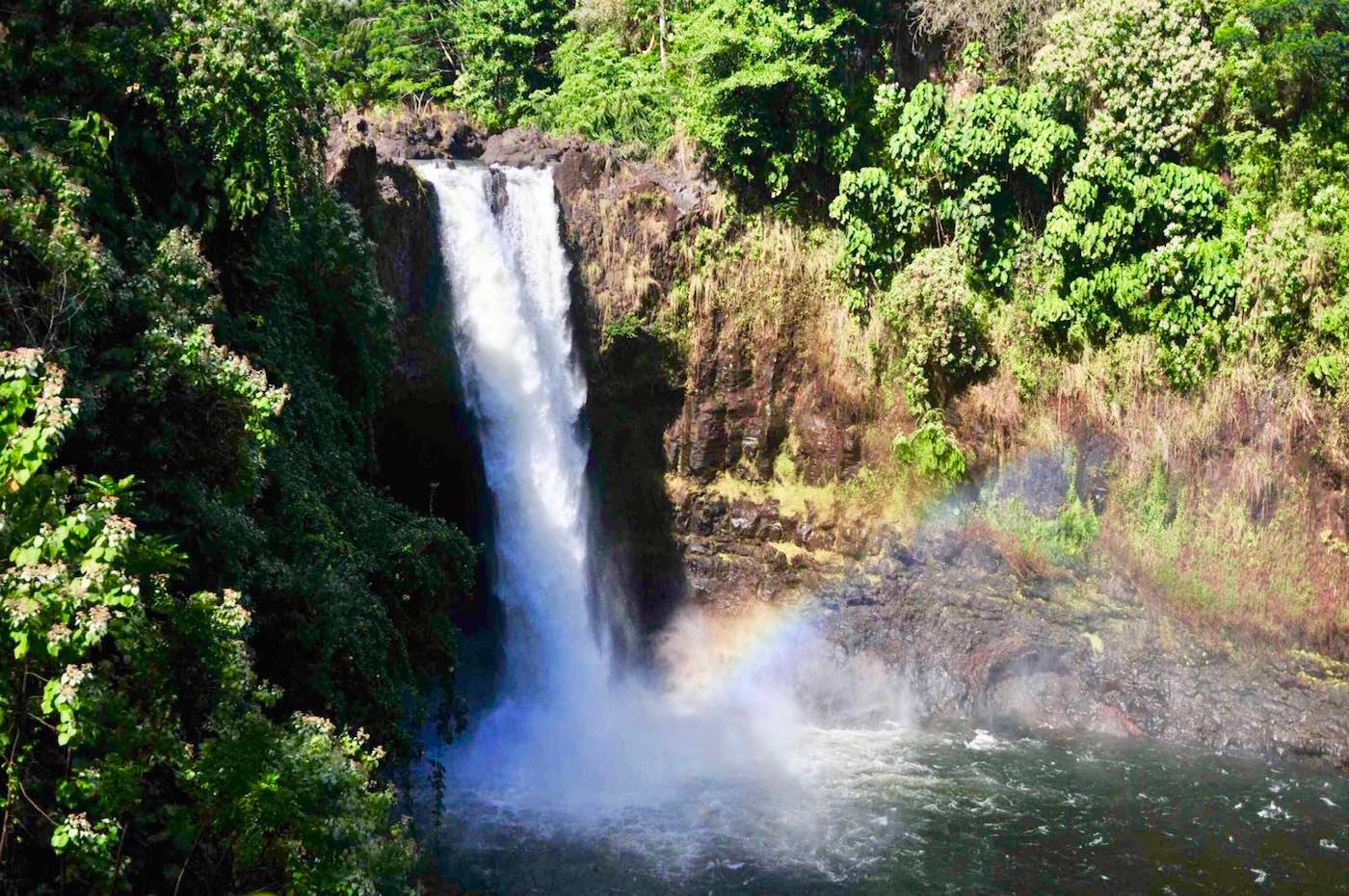
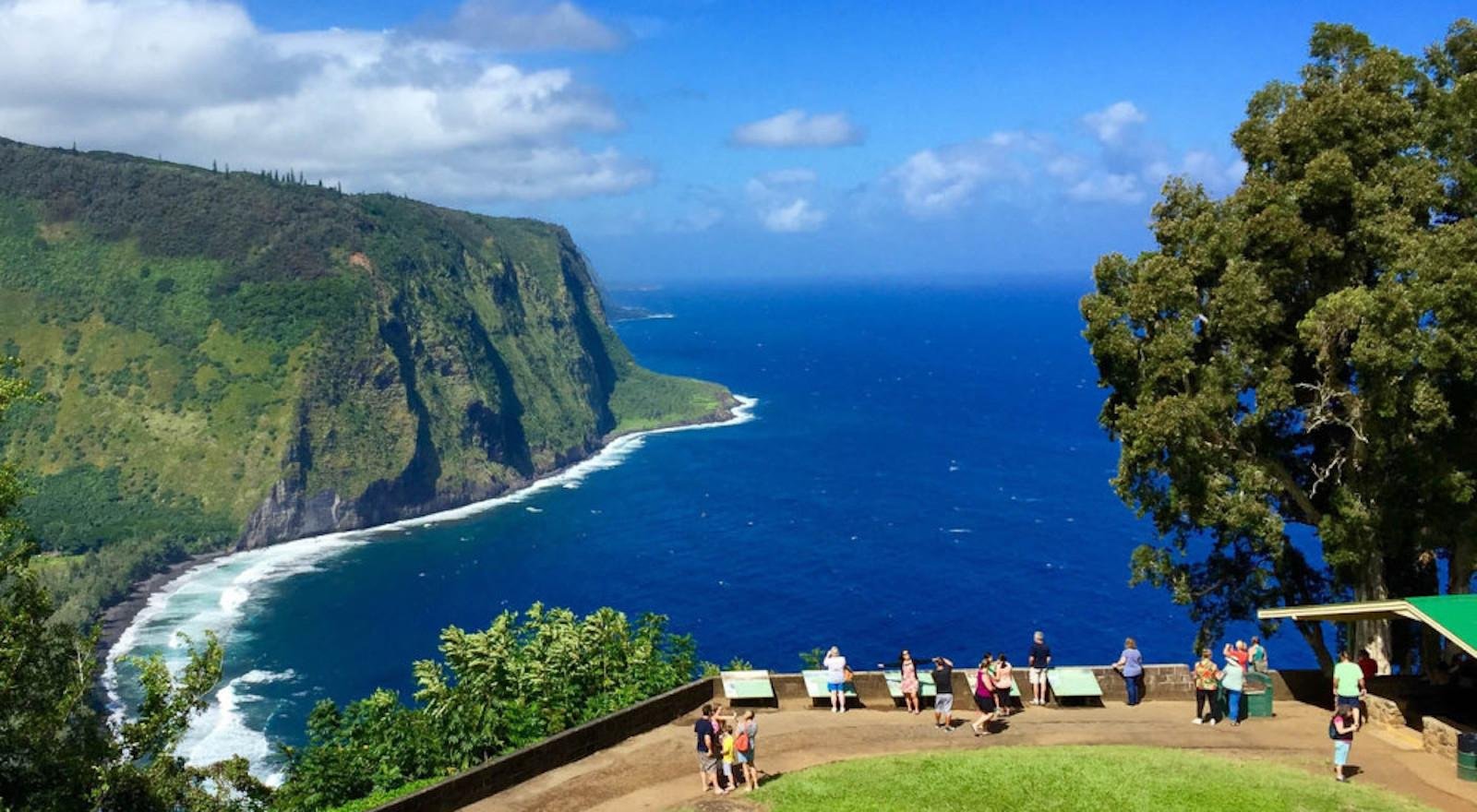
Book Your Experience
Check Availability & Prices
Select your preferred date and time. The listing's terms: Cancel up to 24 hours in advance for a full refund.
The Volcano, the Summit or the Mantas
The volcano day on this page against the Maunakea summit tour and the Kona manta snorkel, from each operator's own listing. Kīlauea had not fountained since 25 August 2026.
| Feature | THIS PAGE'S CALENDAR Wasabi Tours Hawaii Volcano Day | Hawaiian Eyes Tours Maunakea Sunset | Hang Loose Boat Tours Manta Night |
|---|---|---|---|
| What You Pay | From $276 per person; lunch, snacks, park admission and jackets included | From $290 per person; parka, ski pants, gloves, a BLT sandwich (veggie with a day's notice), a hot drink and the guide's photos included | From $122 per person; snorkel gear, a wetsuit top, snacks and drinks included |
| Rating | 4.9 / 5 from 486 reviews | 4.8 / 5 from 323 reviews | 4.8 / 5 from 1,615 reviews |
| Where It Starts | Pickup at 19 listed hotels on the Kona and Kohala coasts; Kona Airport pickup for Oʻahu visitors who land by 7:20 a.m. | Target in Kailua-Kona or Queens' Marketplace in Waikoloa | Kailua-Kona; the listing does not name the harbor, and hotel pickup is not included |
| When and How Long | A full day: waterfalls in the morning, about 1.5 hours in the national park in the afternoon, back past South Point to a Kona coffee farm | Afternoon into night: acclimatizing at the visitor station, sunset at the summit, then about an hour of stargazing lower down | After dark, 2 to 2.5 hours on the water |
| What You See | The Waipiʻo Valley lookout (not the valley floor), ʻAkaka and Rainbow Falls, the caldera rim, steam vents and Kīlauea Iki; no lava fountaining since 25 August 2026 | Sunset from the 13,796-foot summit, then stars and planets through the guide's telescope; no entry inside the observatories | Reef manta rays feeding under lights; a ride-along option lets you watch from the boat |
| Who Can Go | Ages 5 and up; not for limited mobility, low fitness, hearing impairment or cruise ship guests; closed-toe shoes | Ages 16 and up, with an upper limit of 70 or 75 (the listing gives both); not for pregnancy, back or breathing problems, claustrophobia, recent surgery, wheelchair users, guests over 300 lb, or diving in the previous 24 hours | Not for pregnancy, back or heart problems; touching marine life is not allowed |
| The Catch | Itineraries can change with no refunds for closures; part of the ʻAkaka Falls trail was closed by fallen trees and Punaluʻu's arrangements were unsettled as of early October 2026 | Bad weather or the moon can spoil the sunset or the stars, and time at the summit is cut if a guest gets altitude sickness | If no mantas appear, another cruise free; no refunds |
| Free Cancellation | Up to 24 hours before | Up to 24 hours before | Up to 24 hours before |
| Check Dates | See the Summit Tour | See the Manta Trip |
More Big Island Tours
The Summit, the Mantas and Kealakekua Bay
A sunset tour from a permitted Maunakea operator, a night manta snorkel, an afternoon snorkel sail and a dinner cruise to Kealakekua Bay. Prices, ratings and review counts move over time.
 PERMITTED SUMMIT OPERATOR
Mauna Kea Summit Sunset and Star Tour with Photo
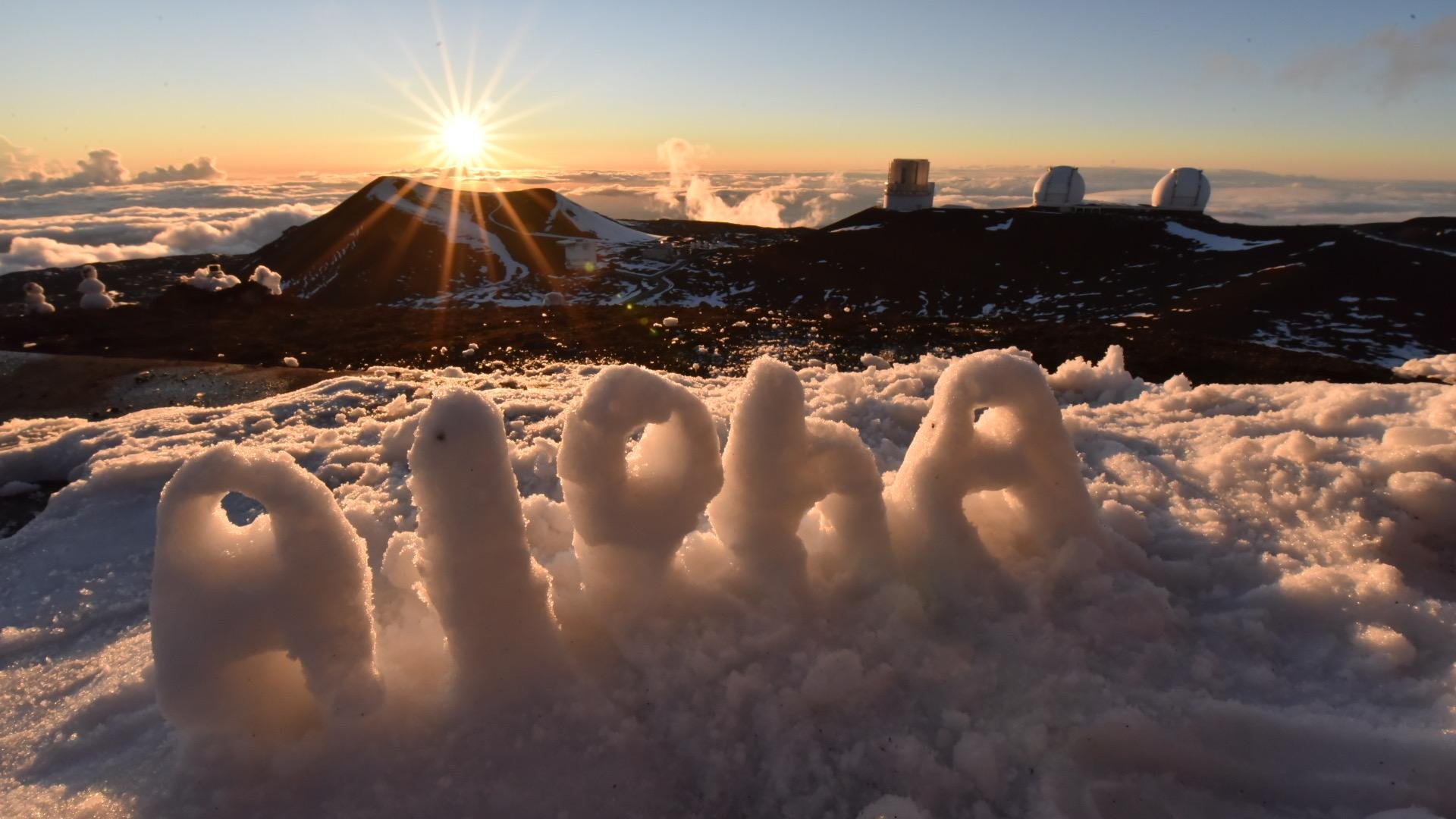
A sunset trip to the summit of Maunakea in a 4x4 van, with a stop to acclimatize at the visitor station and stargazing lower on the mountain afterwards; parkas, gloves, a sandwich and DSLR photos are included.
 NIGHT MANTA SNORKEL
Kailua Kona: Night Manta Ray Adventure on the Big Island
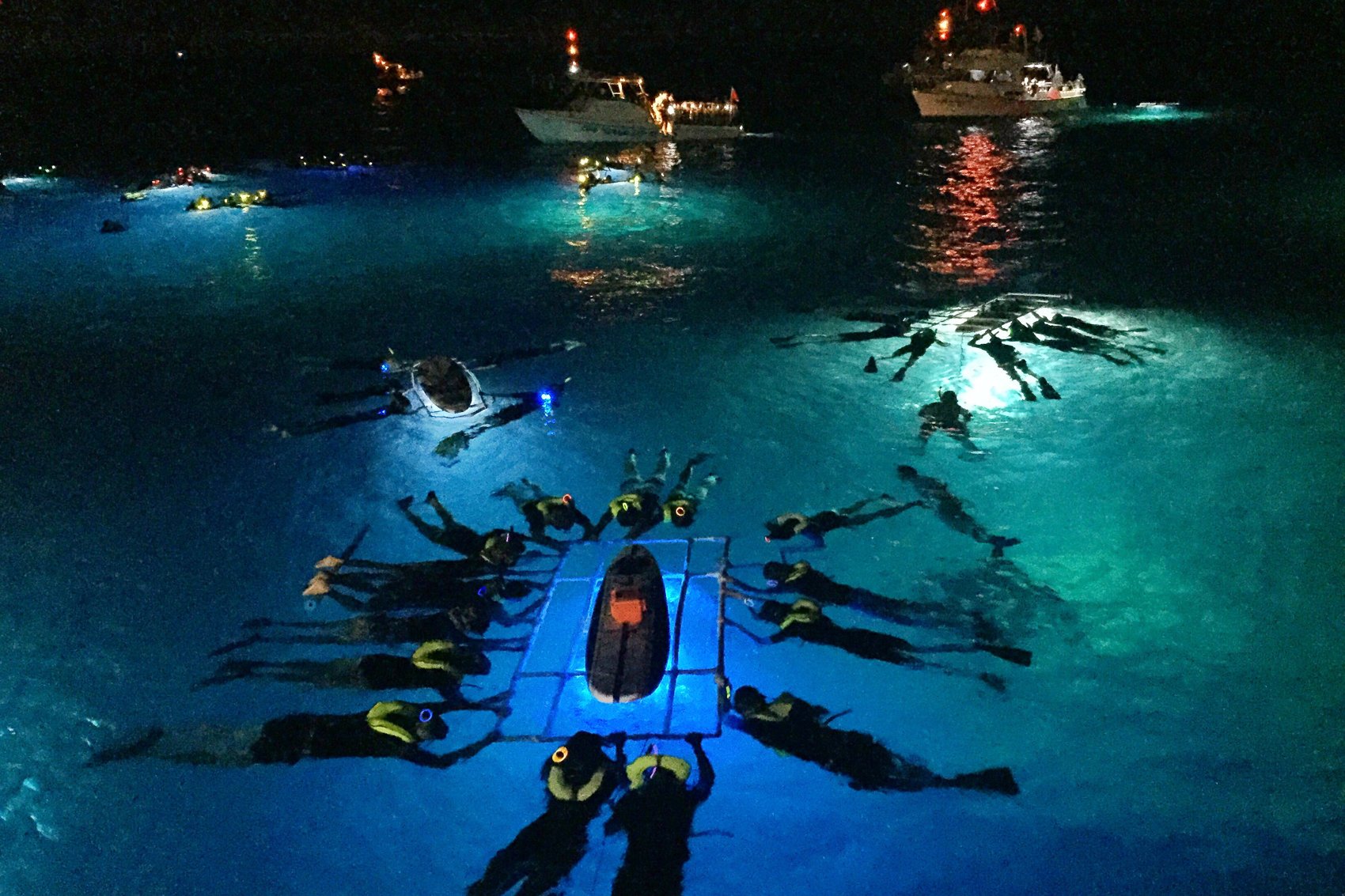
A night boat trip off Kona to watch manta rays feed on plankton drawn to underwater lights: you float holding a lit board, or stay dry on the ride-along option. Snorkel gear, wetsuit tops and snacks are provided.
 AFTERNOON SAIL AND SNORKEL
Afternoon Snorkel at the World Famous Captain Cook Monument
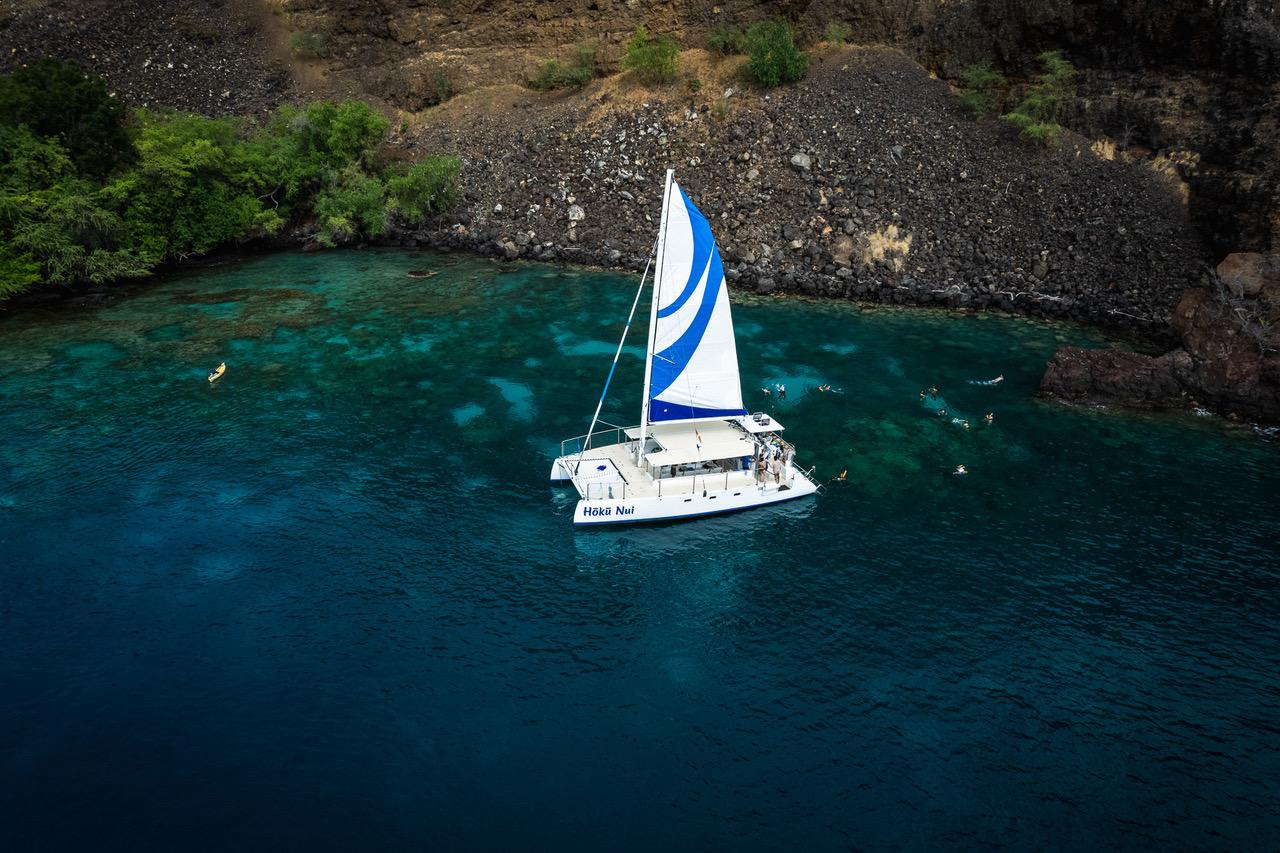
An afternoon sail on the Hoku Nui, a 50-foot catamaran, from Keauhou Bay to snorkel Kealakekua Bay near the Captain Cook Monument, with a naturalist's reef briefing, gear, light snacks and a trade-wind sail back.
 SUNSET DINNER CRUISE
From Hawaii: Historical Dinner Cruise Tour to Kealakekua Bay
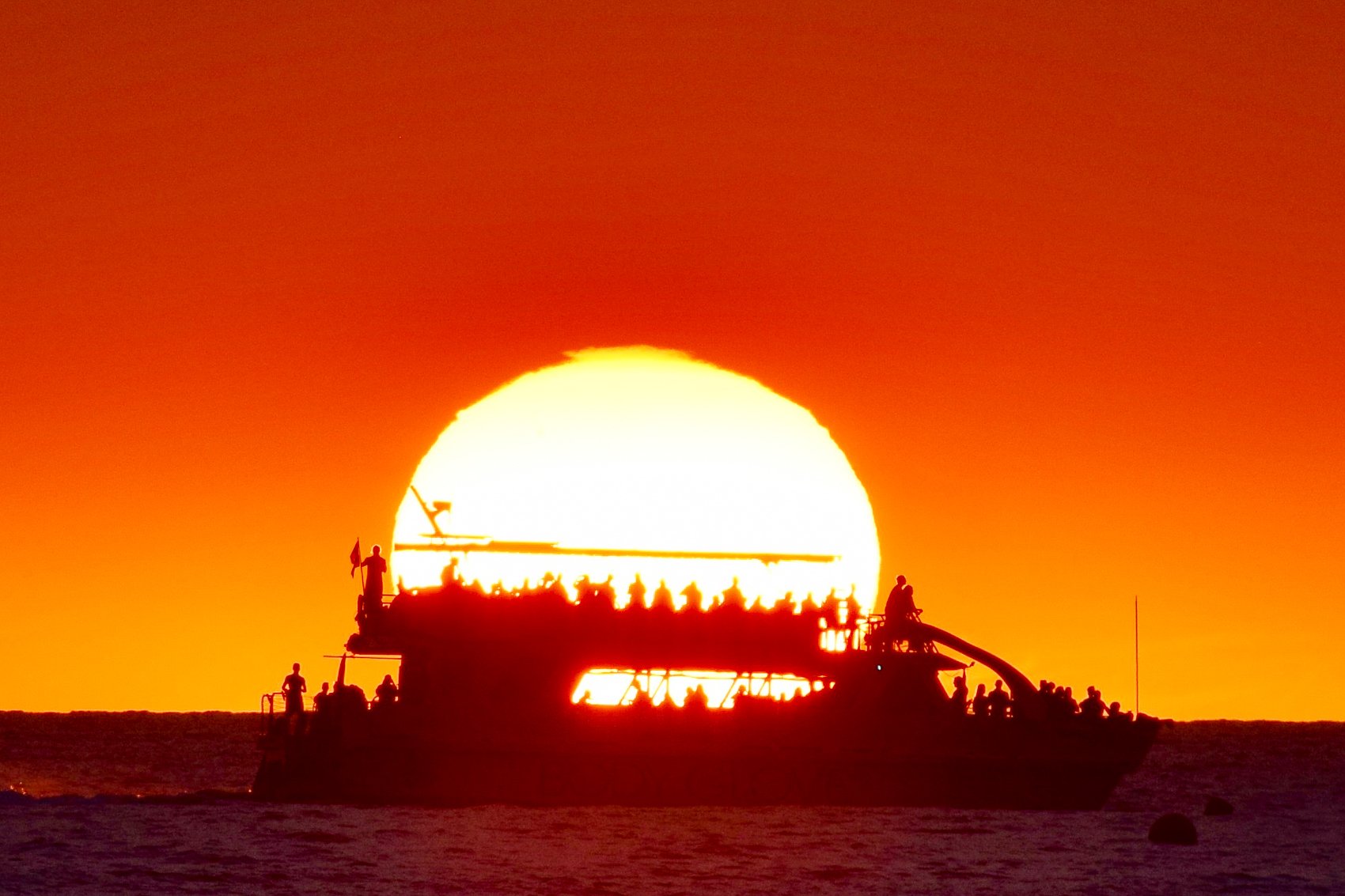
A sunset dinner cruise from the Kailua-Kona pier down the Kona coast to Kealakekua Bay, narrated by a local historian guide, with an island-style dinner, live slack-key music and one complimentary cocktail.
Hawaiʻi Island, October 2026
The Volcano Between Episodes, the Summit by the Rules
What the largest island offers, what Kīlauea is doing now, where you cannot go, and who the island suits.
The Island of Hawaiʻi, which nearly everyone calls the Big Island, covers 4,028 square miles: 62.7 percent of the state’s land, about 1.7 times all the other islands put together. The Hawaiʻi Tourism Authority calls it the youngest island, and four of the world’s five major climate groups occur on it; only the continental group is missing. Hilo’s airport averages 120 inches of rain a year and Kona’s under 10.
Kīlauea in October 2026
Kīlauea, in Hawaiʻi Volcanoes National Park, has been erupting in episodes since 23 December 2024, and the eruption has not ended. But it has not fountained since episode 54 ended on the evening of 25 August 2026. Since then the activity has stayed small, with minor spattering reported on 5 and 6 October. The volcano observatory’s update of 6 October says: “It is not possible to forecast the onset of episode 55 fountains or if they will occur.” All the lava has stayed inside Halemaʻumaʻu, a crater closed to the public since 2007, and none reaches the ocean.
So plan the visit around the park itself. Without fountaining you look into the caldera from the rim viewpoints (Uēkahuna, the Steam Vents at Kūkamāhuākea, Kūpinaʻi Pali and Keanakākoʻi), and you can walk down onto the floor of Kīlauea Iki, a lava lake left by the 1959 eruption, on a 3.3-mile loop of two to three hours. After dark, the park service says, a faint glow from earlier lava may still be visible. Fog and rain sometimes hide everything, so check the observatory’s daily update on the morning you go.
Entry is $30 a car, and no $100 non-resident fee applies here. On the coast, the Hōlei Sea Arch at the end of Chain of Craters Road collapsed between 23 and 27 September 2026.
The volcano day on this page
Wasabi Tours Hawaii’s day trip goes right around the island from the Kona side. It picks up at 19 hotels on the Kona and Kohala coasts and gives the morning to waterfalls: the Waipiʻo Valley lookout, ʻAkaka Falls and Rainbow Falls. The afternoon is about an hour and a half in the national park, at the steam vents, the Halemaʻumaʻu and Kīlauea Iki crater lookouts and a short walk on the crater rim trail. Lunch is at Punaluʻu’s black-sand beach, and the drive back passes South Point and Kealakekua Bay before a coffee tasting at a Kona farm. Lunch, snacks, park admission and jackets are included. It cost $276 when we checked in October 2026, rated 4.9 from 486 reviews, with free cancellation up to 24 hours before.
Some stops are affected in 2026. At Waipiʻo the lookout is as far as visitors go, because the road into the valley has been closed to them since 2022. Part of the ʻAkaka Falls trail was closed by fallen trees as of 5 October, and the County’s lease of the Punaluʻu beach park ended on 29 August, so what is open there is unsettled. Itineraries can change, with no refunds for closures outside the operator’s control.
If you are staying on the Kona or Kohala coast and want the national park and the big waterfalls in one day without driving it yourself, this is the day to book. Book it for the park, not for lava.
See dates for the volcano day →
Maunakea
The Office of Hawaiian Affairs describes Maunakea as “a deeply sacred place”, regarded “as a shrine for worship, as a home to the gods, and as the piko of Hawaiʻi Island.” The summit stands at 13,796 feet, and the rules for visitors are strict:
- Two-wheel-drive cars are not permitted above the Visitor Information Station at 9,200 feet; beyond it the road needs a true four-wheel-drive vehicle, and the nearest gas is about 35 miles away.
- The stewardship office says not to go above the station if you are under 13, pregnant, have been scuba diving in the past 24 hours, or have high blood pressure or a heart or breathing condition.
- The summit area closes 30 minutes after sunset. Stay on the roads and trails, move nothing, and leave the drone at home.
- There have been no public telescopes at the station since 2019; staff give laser-pointer sky talks after twilight when weather and staffing allow.
Only seven tour companies hold the University of Hawaiʻi permit to take passengers to the summit, and Hawaiian Eyes Tours, which runs the sunset and star tour listed here, is one of them. Its van stops at the station for the group to acclimatize, reaches the summit about an hour before sunset, then comes down for about an hour of stargazing with the guide’s telescope. It costs $290 (4.8 from 323 reviews), provides parkas, ski pants and gloves, and takes no one under 16. maunakeastargazingtours.com compares the Maunakea stargazing tours and viewing spots in more depth.
The Kona coast after dark and on the water
Off Kona after dark, lights on the water draw plankton, and reef manta rays come in to feed on it. On the Hang Loose Boat Tours trip ($122, 4.8 from 1,615 reviews) you float holding a lit board for 2 to 2.5 hours, or watch from the boat on the ride-along option; if no mantas appear, the listing offers another cruise free, though not a refund. Touching marine life is not allowed, and state law protects rays from harm.
In South Kona, Kealakekua Bay is a State Historical Park and a Marine Life Conservation District, with no entrance fee. The Captain Cook Monument stands at Kaʻawaloa Flat, and there are only two ways onto that land: the Kaʻawaloa Trail on foot, or a guided kayak tour with a permitted company. Spinner dolphins rest in bays like this by day, and a federal rule bans swimming with them or coming within 50 yards. Sea Paradise Sailing & Snorkeling Tours’ afternoon sail ($136, 4.8 from 249 reviews) snorkels in the bay on a trip from Keauhou, and Body Glove Cruises’ dinner cruise ($212, 4.8 from 203 reviews) sails to it from Kailua Pier with a historian’s narration.
Where not to go
- Down the Waipiʻo Valley road, closed to pedestrians and visitors’ cars under an emergency rule running to 1 November 2026; only residents, permitted tour operators and Native Hawaiians exercising traditional rights may drive it.
- To Papakōlea, the green sand beach, by truck. The landowner, the Department of Hawaiian Home Lands, calls the paid rides an “illegal shuttle service”; the legal way is a hike of about 2.5 miles each way, and taking the sand is illegal.
- To Punaluʻu without checking first, since the County stopped running the beach park on 29 August.
Who the Big Island suits
Lonely Planet’s island guide, updated in July 2026, picks Hawaiʻi Island for volcanic activity and varied landscapes, and Condé Nast Traveler sends travelers looking for immersive adventures here. It suits visitors who want the volcano and the night sky, and who accept long drives between them. It suits fewer people who need lava on a fixed date, families hoping to take children under 13 to the summit, or anyone set on hiking into Waipiʻo. In 2025 it drew 1,724,952 visitors, 29.5 percent of them on a first trip; they spent $246 a person a day, less than on Maui or Kauaʻi, though hotel rooms averaged $443.56 a night. Big Island or Maui weighs it against Maui.
Getting there and how long to stay
The island has two main airports, Kona on the dry side and Hilo on the wet side, with direct flights from the mainland. Southwest and Hawaiian fly from Honolulu, 45 to 60 minutes to Kona, and Mokulele restarted twice-daily Kona to Kahului flights on 1 October 2026; no ferry links the Big Island with the other islands. No agency publishes a recommended number of days, but visitors stayed about 7.5 days on average in 2025, worked out from the state’s figures. Allow a full day for the volcano tour, an afternoon and evening for Maunakea and an evening for the mantas, then add days for beaches and driving.
Guest Reviews
What Guests Say
4.9/5
from 492 verified guests
"The trip was great, the tour guides were knowledgeable and the experience was great"
"Kona Kris was a great guide he was patient and kind and accommodating I did not feel rushed at all he kept the same high energy the whole time the round trip of the island was great as you got to see the whole island in one day. The waterfalls were a highlight Rain jackets were provided which was useful the weather can get quite cold up on the volcano especially if you are wet carry extra warm jackets"
"Kona Kris was awesome. very knowledgeable and made the day enjoyable too. He had entertaining stories. We will request him on our next trip back to Kona. Thanks Kona Kris!!"
"Excellent! Brilliant! Fantastic! Henry was spectacular! Highly recommend the tour."
"The tour was great. We were lucky with the weather and our tour guide Miexia was amazing!!! Because of him the atmosphere in the tour bus was georgeous. He is a very kind, polite and well prepared funny guy with a high knowledge about anything relataed to the tour….and more!"
"Kavika was excellent! His knowledge of the island was from personal experience which made each stop so relatable. His stories were told in a very clear and entertaining way. He was conscientious and made sure everyone was comfortable throughout the trip. The tour was a great way to see so much of the island and the favorite highlights."
"Great tour if you are looking for a snapshot of all the amazing sights the island has to offer. Be prepared to be in the vehicle for a large part of this tour, but hopefully you will have an amazing guide (like we did) who will use this time to teach you many things, from the beauty of the native language to the inner workings of an active volcano….Brent was terrific! Also, lunch was delicious, and the quick stop we made for fresh coconut and sugar cane was a wonderful experience."
Read all 492 verified reviews
See All ReviewsBook the Volcano, Waterfalls and Coffee Day
A full day from Kona and Kohala hotels: the Waipiʻo lookout, ʻAkaka and Rainbow Falls, Hawaiʻi Volcanoes National Park and a Kona coffee farm, with lunch and park entry included. Rated 4.9 from 486 reviews, with free cancellation up to 24 hours before. Starting from $276 per person.
Check Availability & BookCan't Make These Dates?
Browse More Available Options
More tours on this island. Each listing states its own cancellation terms.
Big Island FAQ
The questions people type about Hawaiʻi Island, answered in the first sentence. Volcano and park status as of early October 2026.
No park or tourism agency publishes a number, but visitors stayed about a week on average in 2025. Worked out from the state's visitor figures, the average was about 7.5 days. The island's size is the reason to allow time: it covers 4,028 square miles, more than all the other islands together. The volcano day tour on this page takes a full day, the Maunakea sunset tour an afternoon and evening, and the manta snorkel two to two and a half hours after dark. In the national park, summit parking can be full by 10 a.m., and the Kīlauea Iki loop alone takes two to three hours.
Down the Waipiʻo Valley road, which is closed to visitors on foot and by car under an emergency rule that runs to 1 November 2026. Only residents, permitted tour operators and Native Hawaiians exercising traditional rights may drive it; the lookout at the rim is open. Do not take a paid truck ride to Papakōlea (Green Sand Beach): the landowner, the Department of Hawaiian Home Lands, calls the rides an illegal shuttle service, and the legal way in is a hike of about 2.5 miles each way. Two-wheel-drive cars are not permitted above the Maunakea Visitor Information Station, and a rented kayak may not land at Kaʻawaloa Flat in Kealakekua Bay. As of 5 October, Lapakahi, the Waialea section of Hāpuna and part of the ʻAkaka Falls trail were closed by fallen trees, Lava Tree State Monument was closed, and Kekaha Kai, Kīholo and Lapakahi close on 10 October for the Ironman.
Hawaiʻi Volcanoes National Park, the Maunakea summit at sunset and the Kona coast's manta rays after dark are what the tours on this page are built around. Go to the park for the caldera, the steam vents and Kīlauea Iki rather than for fountaining, which had not happened since 25 August 2026. Maunakea's summit needs a true four-wheel-drive vehicle or one of the seven permitted tour operators. Kealakekua Bay, a Marine Life Conservation District with the Captain Cook Monument on its shore, charges no entrance fee.
Yes, if you want a volcano, a 13,796-foot summit and the night sky; less so if you need to see lava on a set date, because nobody can promise it. Kīlauea's eruption continues but had not fountained since 25 August 2026, and the volcano observatory says it cannot forecast the next episode or whether it will come. Lonely Planet's island guide picks Hawaiʻi Island for volcanic activity and varied landscapes, and four of the world's five major climate groups occur on it. In 2025, 29.5% of its 1,724,952 visitors were on a first trip to Hawaiʻi. Big Island or Maui weighs it against Maui.
The Maunakea Visitor Information Station and Kealakekua Bay State Historical Park both charge nothing to enter. The station, at 9,200 feet, opens 9 a.m. to 9 p.m. every day with no entrance or parking fee; staff give laser-pointer sky talks after twilight when weather and staffing allow, and a free telescope night runs once a month by reservation. Kealakekua Bay opens 7 a.m. to 8 p.m., and the Kaʻawaloa Trail is the way to walk to the Captain Cook Monument. The national park is not free for most visitors: it costs $30 a car, and its fee-free days apply only to U.S. citizens and residents.
The eruption is ongoing, but Kīlauea had not fountained since 25 August 2026, and the volcano observatory cannot forecast the next episode. The eruption began on 23 December 2024 and comes in episodes; episode 54 ended on the evening of 25 August after about 9 hours, with fountains up to about 500 feet. In mid-September six new vents sent small lava flows onto the crater floor, and minor spattering was reported on 5 and 6 October. All the lava stays inside Halemaʻumaʻu, closed to the public since 2007, and none reaches the ocean. Mauna Loa is not erupting. Check the observatory's daily update before you go.
Nobody can promise it. With no fountaining since 25 August 2026, the Wasabi Tours Hawaii day shows the national park as it is between episodes: the caldera from the crater lookouts, the steam vents, Kīlauea Iki and a short walk on the crater rim trail, about an hour and a half in all. The park service says a faint glow from earlier lava may be visible at night during a pause, but the tour is in the park in the afternoon. Itineraries can change, there are no refunds for closures outside the operator's control, and it runs rain or shine. It takes no one under 5, and it is not suited to limited mobility, low fitness, hearing impairment or cruise ship guests.
Only in a true four-wheel-drive vehicle; two-wheel-drive cars are not permitted above the Visitor Information Station at 9,200 feet. The 8-mile summit road climbs nearly 5,000 feet, about 4.5 miles of it steep gravel, and drivers are told to use 4WD low on the way down. Check your rental contract, and arrive with at least half a tank: Hilo, Waimea and Waikoloa are each about 35 miles away. Acclimatize at the station for at least 30 minutes, and be off the summit by 30 minutes after sunset, when it closes to visitors.
Only seven tour operators hold the University of Hawaiʻi permit, and Hawaiian Eyes Tours, which runs the sunset tour on this page, is one of them. The others are Arnott's Lodge & Hiking Adventures, Hawaiʻi Forest & Trail, Super Vacation Hawaiʻi, Mauna Kea Summit Adventures, Roberts Hawaiʻi Tours and Taikobo Hawaiʻi; the University says all other operators offering summit tours are not authorized. The Hawaiian Eyes tour ($290, 4.8 from 323 reviews) meets at Target in Kailua-Kona or Queens' Marketplace in Waikoloa and provides parkas, ski pants and gloves, a BLT sandwich (a veggie one if you message a day ahead), a hot drink and the guide's photos. There is no entry inside the observatories, and bad weather or the moon can spoil the sunset or the stars.
Not children under 13, by the mountain's own health guidance, and nobody under 16 on the Hawaiian Eyes tour. The stewardship office also says not to go above the Visitor Information Station if you are pregnant, have been scuba diving in the past 24 hours, or have high blood pressure or a heart or breathing condition; at 14,000 feet there is 40% less oxygen than at sea level. The tour's listing caps age at 70 in one line and 75 in another, and excludes guests over 300 lb, wheelchair users, and anyone with back problems, claustrophobia or recent surgery. Its time at the summit may be cut if a guest gets altitude sickness.
No: a federal rule bans swimming with, approaching or staying within 50 yards of Hawaiian spinner dolphins near the main islands. The dolphins rest in bays such as Kealakekua by day. The bay is a Marine Life Conservation District, and the land at Kaʻawaloa Flat, where the Captain Cook Monument stands, can be reached only on the Kaʻawaloa Trail or with a permitted guided kayak tour. Sea Paradise Sailing & Snorkeling Tours' afternoon trip ($136, 4.8 from 249 reviews) snorkels in the bay from its catamaran, leaving the Keauhou Bay pier at 2 p.m. and returning about 5; shoes are not allowed on board, and neither are full-face masks. Body Glove Cruises' dinner cruise ($212, 4.8 from 203 reviews) boards at Kailua Pier at 3:30 for a 4 p.m. departure, gives no refunds for late arrivals, and sells bar drinks for cash.
You float on the surface holding a lit board while reef manta rays feed on the plankton the light draws in. The Hang Loose Boat Tours trip ($122, 4.8 from 1,615 reviews) runs 2 to 2.5 hours, with snorkel gear, a wetsuit top, snacks and drinks, and you can stay aboard on the ride-along option. If no mantas appear you get another cruise free, not a refund. Touching marine life is not allowed, and state law protects rays from harm. The trip is not for pregnant guests or anyone with back or heart problems, hotel pickup is not included, and the listing does not name its harbor, so confirm the meeting point with the operator after booking.
By plane, into Kona or Hilo; no ferry runs to Hawaiʻi Island. Southwest and Hawaiian fly from Honolulu, 45 to 60 minutes to Kona, and Mokulele restarted twice-daily Kona to Kahului flights on 1 October 2026. From Kauaʻi you usually connect in Honolulu. Visitors based on Oʻahu can do the volcano day as a day trip, landing at Kona by 7:20 a.m. and leaving after 8:45 p.m.; the Wasabi Tours Hawaii tour picks up at Kona Airport.
Yes: at 4,028 square miles it covers 62.7% of the state's land, about 1.7 times all the other islands together. Claims of “nearly twice” overstate it. Since December 2025 its official State name has been simply Hawaiʻi, with Island of Hawaiʻi kept as a variant, but Big Island is still the everyday name for residents and visitors alike.
Still have questions? Email us at info@besthawaiianisland.com